Transforming Hospitality: The Art of Hotel Bangkok Interior Design
As a seasoned interior designer with over two decades of experience, I’ve learned that the heart of exceptional hospitality lies in creating spaces that resonate emotionally with guests. In Bangkok—a city known for its vibrant energy, rich heritage, and thriving tourism industry—Hotel Bangkok interior design plays a pivotal role in crafting environments that inspire awe and comfort.
Let’s explore how thoughtful material choices, cultural storytelling, and innovative layouts come together to redefine luxury hotel spaces in this dynamic metropolis.
1. Embracing Bangkok’s Vibrant Spirit Through Design
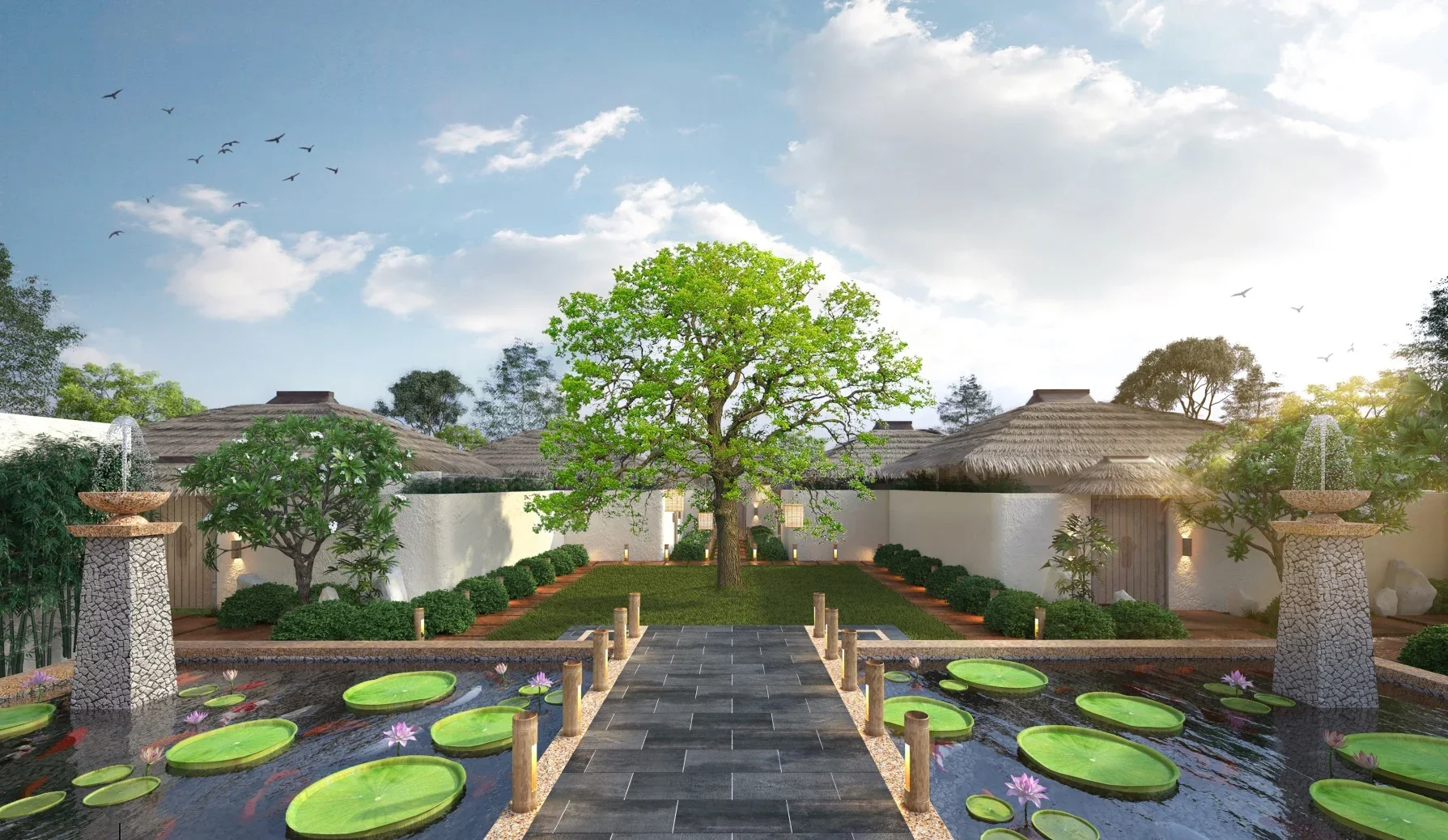
Bangkok is a city where tradition meets modernity, and Hotel Bangkok interior design reflects this unique blend. From the bustling streets of Sukhumvit to the serene beauty of the Chao Phraya River, every element of the city’s essence can be woven into hotel spaces.
Why It Matters:
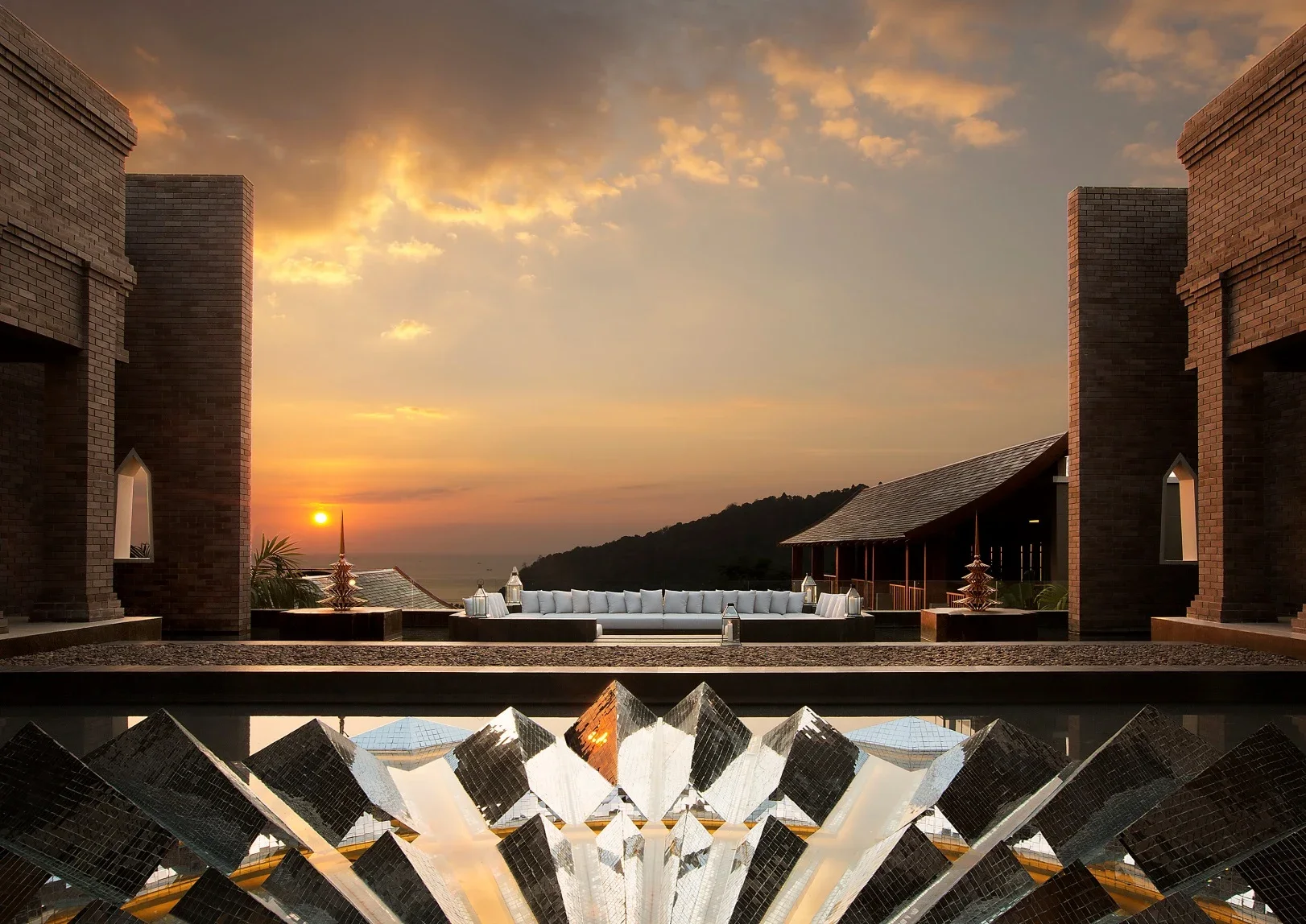
- Cultural Fusion: Incorporating traditional Thai motifs like intricate gold leaf patterns or lotus-inspired designs adds a touch of local authenticity.
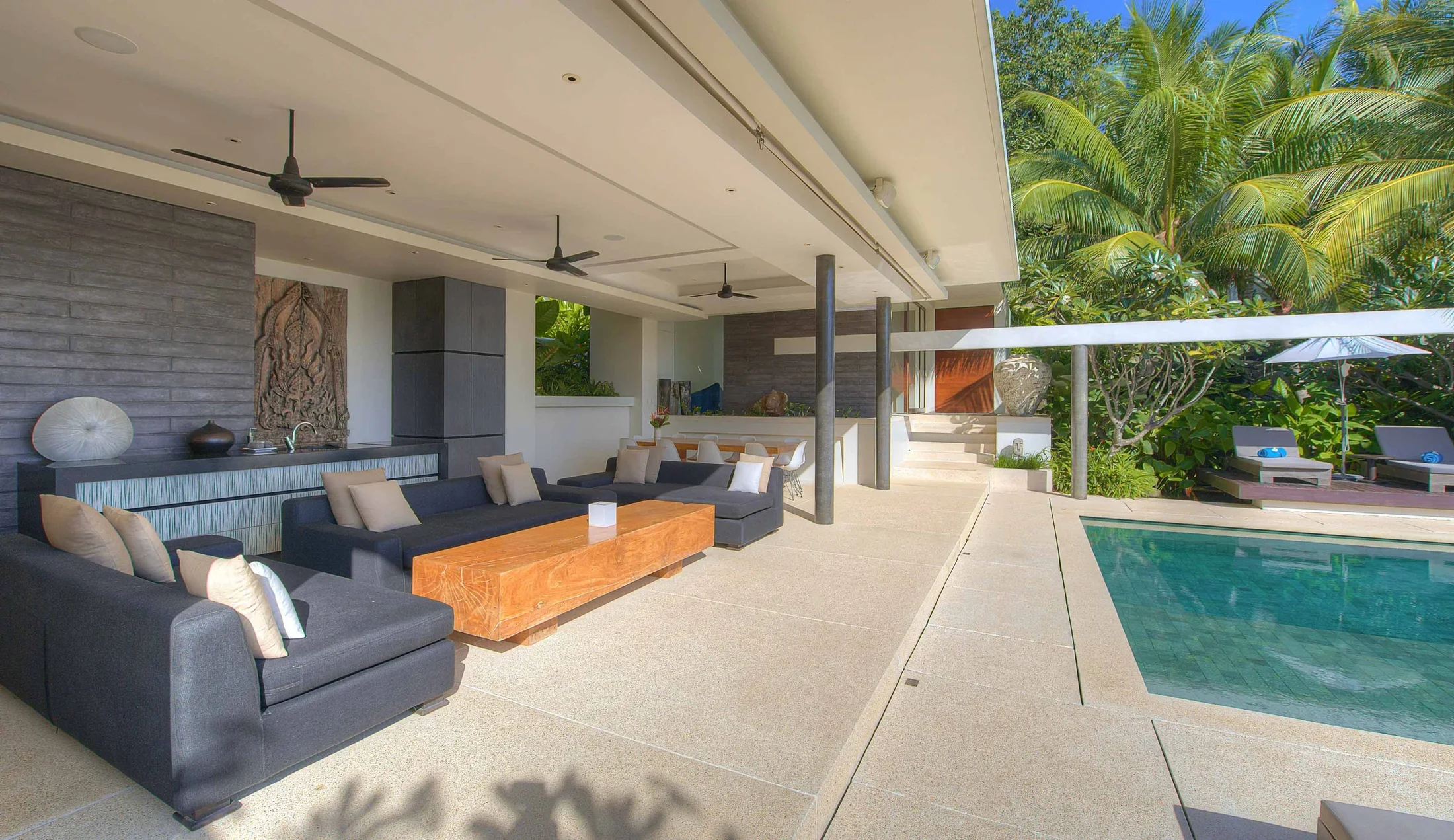
- Natural Elements: Using materials like teak wood, bamboo, and marble connects guests to Thailand’s lush landscapes and tropical climate.
- Luxury Meets Comfort: Clean lines and opulent finishes create a balance between elegance and coziness, ensuring guests feel at home while experiencing something extraordinary.
Pro Tip:
For instance, our firm recently designed a boutique hotel in Silom where we integrated golden accents inspired by Thai temples alongside sleek, contemporary furniture. This juxtaposition of old and new created an ambiance that felt both luxurious and deeply rooted in local culture.
2. Maximizing Space Efficiency in Urban Hotels
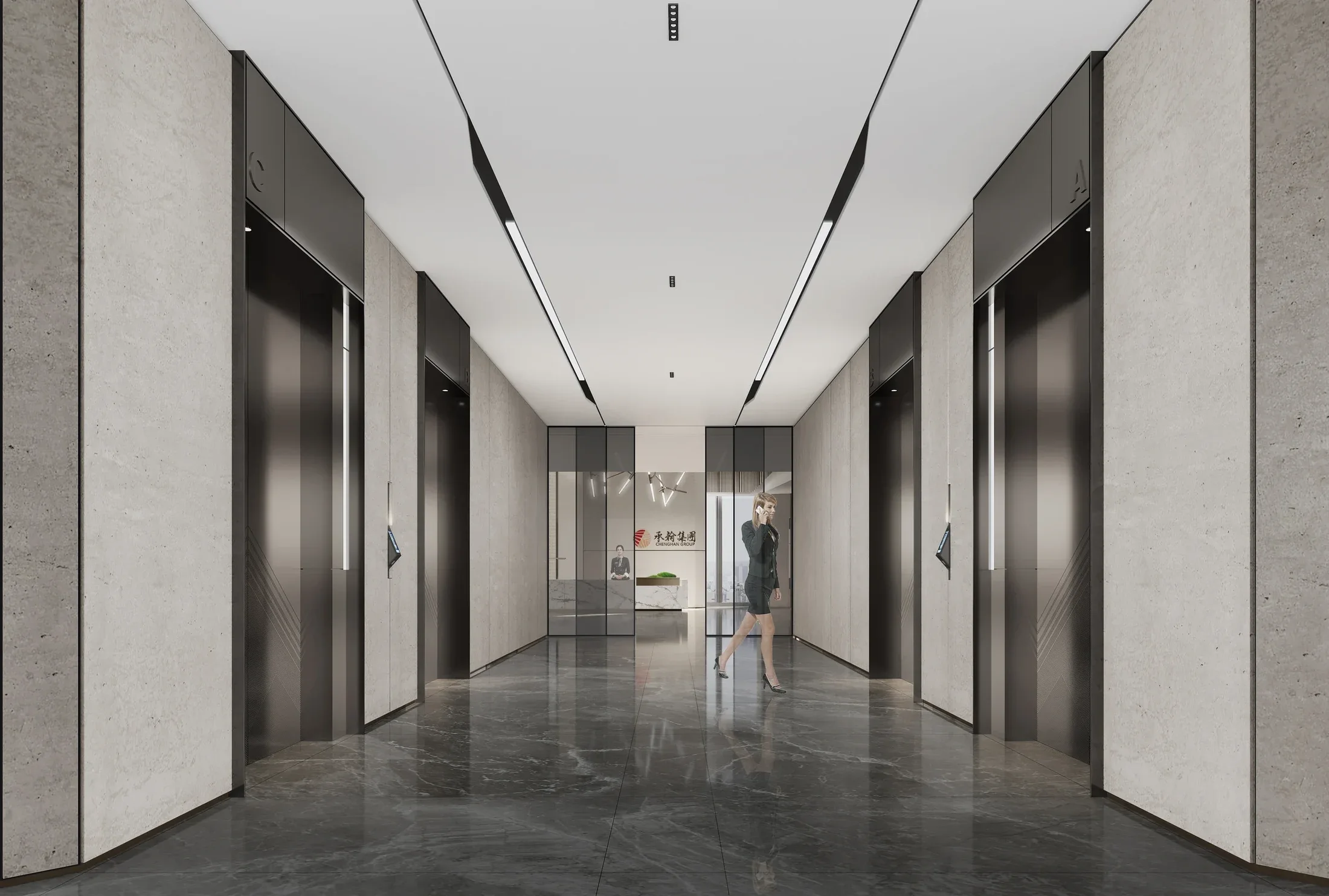
In Bangkok’s bustling urban areas, space optimization is crucial. Hotel Bangkok interior design leverages smart solutions to make the most of every square meter without compromising aesthetics.
Key Strategies:
- Open Layouts: Open-plan designs ensure seamless transitions between lobbies, lounges, and dining areas, making the space feel larger and more inviting.
- Flexible Furniture: Modular furniture allows rooms to adapt to different guest needs, from solo travelers to families.
- Vertical Elements: Wall-mounted shelves and vertical gardens maximize space while adding visual interest.
Local Insight:
In Sathorn, we transformed a compact hotel into a dynamic hospitality space by using sliding partitions and foldable furniture. These elements not only saved space but also allowed the hotel to host events during peak seasons without disrupting daily operations.
3. Integrating Technology for Enhanced Guest Experiences
Bangkok is a tech-savvy city, and Hotel Bangkok interior design embraces this trend by incorporating cutting-edge technologies into guest experiences.
Examples of Tech Integration:
- Smart Lighting Systems: Adjustable lighting creates the perfect mood for every occasion, from romantic dinners to lively celebrations.
- Interactive Displays: Digital touchscreens in lobbies provide guests with real-time information about local attractions, dining options, and hotel services.
- Voice-Controlled Amenities: Rooms equipped with voice-activated controls for lighting, temperature, and entertainment offer unparalleled convenience.
Case Study:
Our firm recently collaborated on a luxury hotel in Ratchaphruek where we installed smart mirrors in bathrooms. These mirrors displayed weather updates, news headlines, and personalized messages, delighting guests and setting a new standard for hospitality.
4. Reflecting Local Culture Through Thoughtful Design
Cultural sensitivity is paramount in Bangkok, a city proud of its heritage. Hotel Bangkok interior design celebrates this multicultural heritage by incorporating local art, motifs, and traditions into modern spaces.
How to Achieve This:
- Artwork and Decor: Feature traditional Thai crafts, such as silk weaving or ceramic pottery, in wall panels or decorative accents.
- Thematic Elements: Create spaces inspired by iconic landmarks like Wat Arun or the Grand Palace.
- Community Connection: Design communal areas that encourage interaction, reflecting the importance of relationships in Thai culture.
Local Insight:
For example, we recently designed a rooftop lounge in Asiatique where the entrance featured a mural inspired by Bangkok’s vibrant street markets. The vibrant colors and intricate details captured the essence of the city’s energy, leaving a lasting impression on visitors.
5. Sustainability: A Growing Priority in Hotel Design
Sustainability is no longer optional—it’s a necessity. In Bangkok, businesses are increasingly prioritizing eco-friendly practices in their hotel fit-out projects.
Sustainable Design Features:
- Energy-Efficient Systems: Install LED lighting, solar panels, and energy-efficient HVAC systems to reduce carbon footprints.
- Recycled Materials: Use furniture and finishes made from recycled or sustainable materials to minimize environmental impact.
- Green Spaces: Incorporate indoor plants or vertical gardens to improve air quality and create a biophilic connection with nature.
Pro Tip:
Sustainable design not only benefits the environment but also enhances brand reputation. Guests appreciate spaces that align with their values, making sustainability a key differentiator in Hotel Bangkok interior design .
Conclusion: Redefining Hospitality Through Thoughtful Design
Hotel Bangkok interior design is about more than aesthetics—it’s about creating spaces that inspire, connect, and empower. From embracing Bangkok’s vibrant spirit to celebrating cultural diversity, every element should work together to enhance the guest experience.
If you’re ready to transform your hotel into a beacon of innovation and excellence, partner with experts who understand the unique challenges and opportunities of designing in Bangkok. Together, we can craft spaces that set new standards for functionality, beauty, and sustainability.
Award winning hotel interior design firm
Follow us on social media, we post good stuff