Restaurant Interior Design Bangkok | Creating Iconic Luxury Dining Experiences
Bangkok is a city where dining is more than nourishment—it is performance, culture, and social theatre. From vibrant street-side noodle stalls to Michelin-starred tasting rooms, the Thai capital has evolved into one of the world’s most exciting culinary destinations. In recent years, the city has even emerged as a global fine-dining powerhouse, with several restaurants ranked among the world’s best.Restaurant Interior Design Bangkok
In such a competitive and design-conscious market, the restaurant environment is no longer an afterthought. It is a strategic tool. Guests expect atmosphere, storytelling, and memorable visual moments that elevate the dining experience beyond the plate.
This is where Restaurant Interior Design Bangkok becomes transformative. When thoughtfully crafted, a restaurant interior can turn an ordinary venue into a destination that diners remember, photograph, and return to.
As designers, our firm approaches restaurant environments not simply as spaces—but as immersive journeys.
Understanding Bangkok’s Dining Culture
Bangkok’s dining culture is famously energetic. Food is social here—shared across families, colleagues, and friends late into the evening. Phrases like “gin khao duay kan” (let’s eat together) capture the communal spirit that defines Thai dining.
Several forces shape how restaurants must be designed in this city:
1. A Highly Competitive Culinary Scene
Bangkok hosts thousands of restaurants ranging from street food to high-end tasting venues, and the novelty cycle is fast. Restaurants that fail to stand out visually risk disappearing quickly in the market.
2. Tourism and Global Influences
As a major international tourism hub, Bangkok diners include both locals and global travelers seeking memorable dining experiences.
3. Architecture and Urban Density
Historic shophouses, modern malls, rooftop venues, and riverside buildings create unique spatial opportunities. Many restaurants creatively adapt heritage shophouses or multi-level buildings to deliver layered dining experiences.
4. Climate and Lifestyle
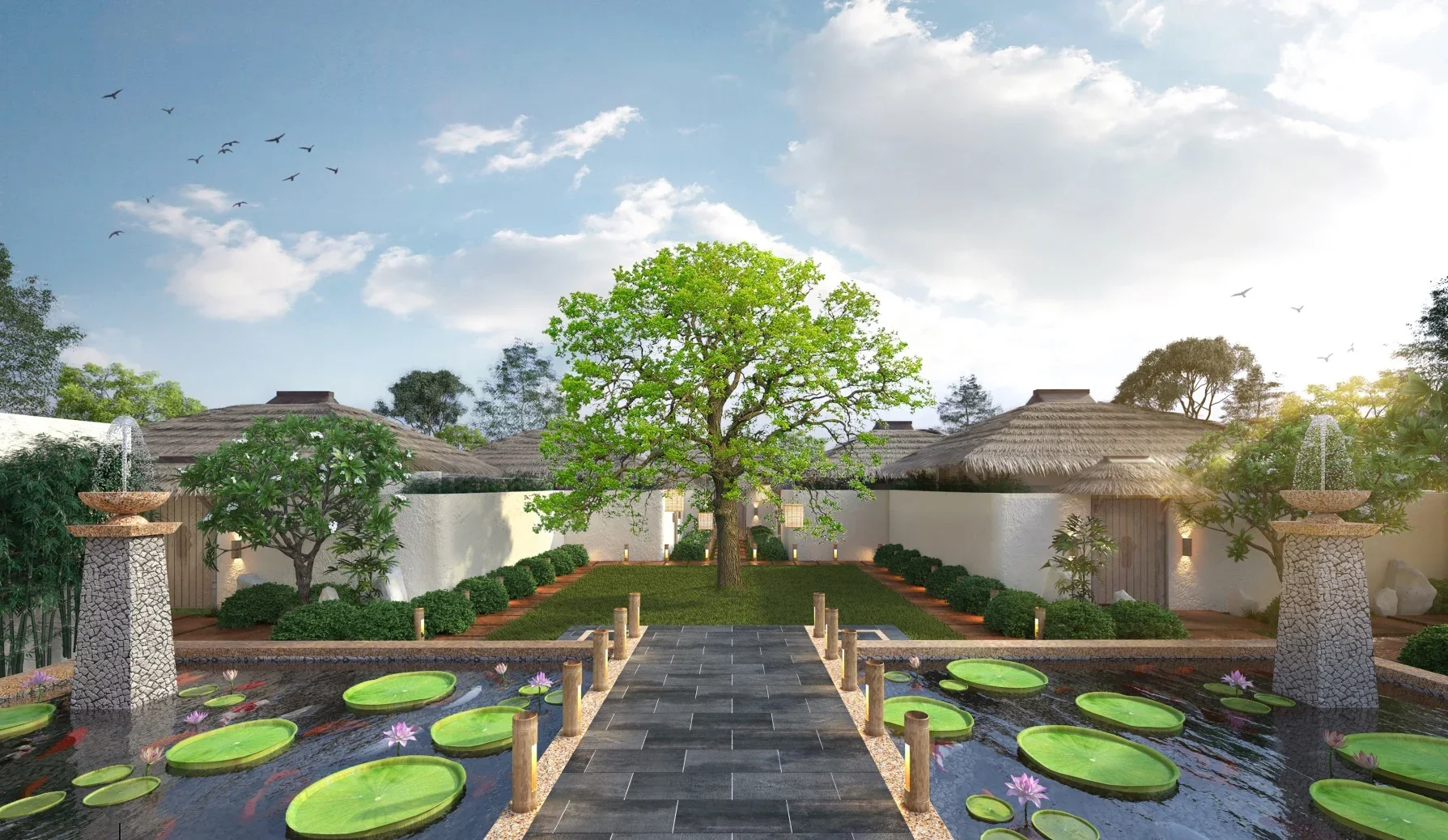
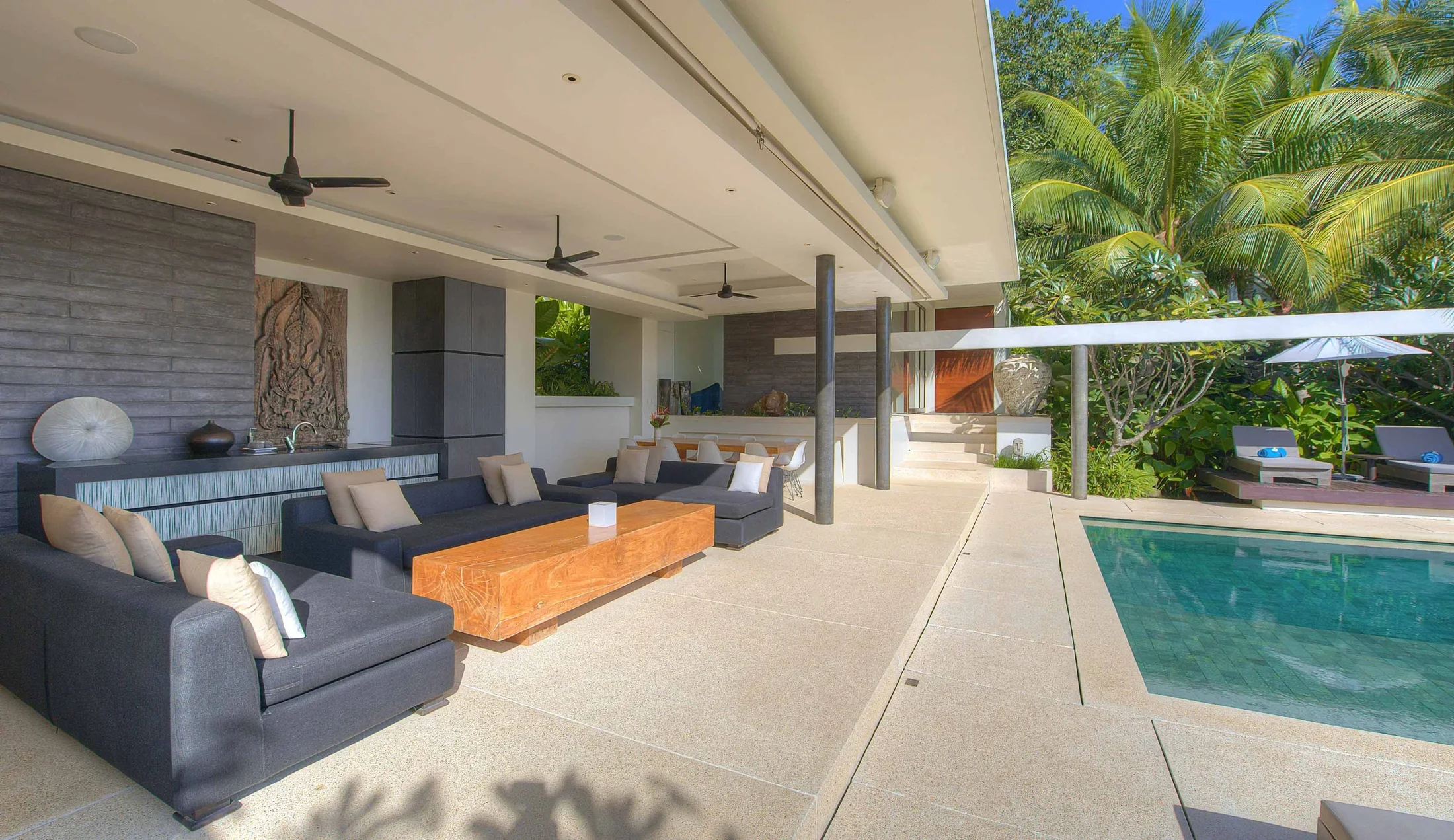
Bangkok’s tropical climate encourages open-air terraces, lush greenery, and seamless indoor–outdoor transitions.
All of these factors influence how restaurants should be conceptualized and designed.
From Culinary Concept to Spatial Story
Every successful restaurant interior begins with a narrative.
Before designing a single wall or table, our firm works closely with restaurateurs to understand the culinary identity behind the brand.
Questions we often explore include:
-
What emotions should guests feel when they enter?
-
Is the experience theatrical, intimate, playful, or refined?
-
What cultural references should the space evoke?
In Bangkok, storytelling might draw inspiration from:
-
Thai craftsmanship and materials
-
Contemporary Asian minimalism
-
Heritage shophouse architecture
-
Tropical landscapes and natural textures
The result is a concept that translates cuisine into space.
A Japanese omakase venue might feel serene and minimal.
A modern Thai restaurant might celebrate texture, warmth, and craft.
Design becomes the visual language of the culinary philosophy.
Spatial Planning and Guest Flow
A beautiful restaurant is only successful if it functions seamlessly.
Guest flow, staff movement, and operational efficiency are critical elements that often remain invisible to diners—but define their experience.
Our design process carefully considers:
Arrival and First Impressions
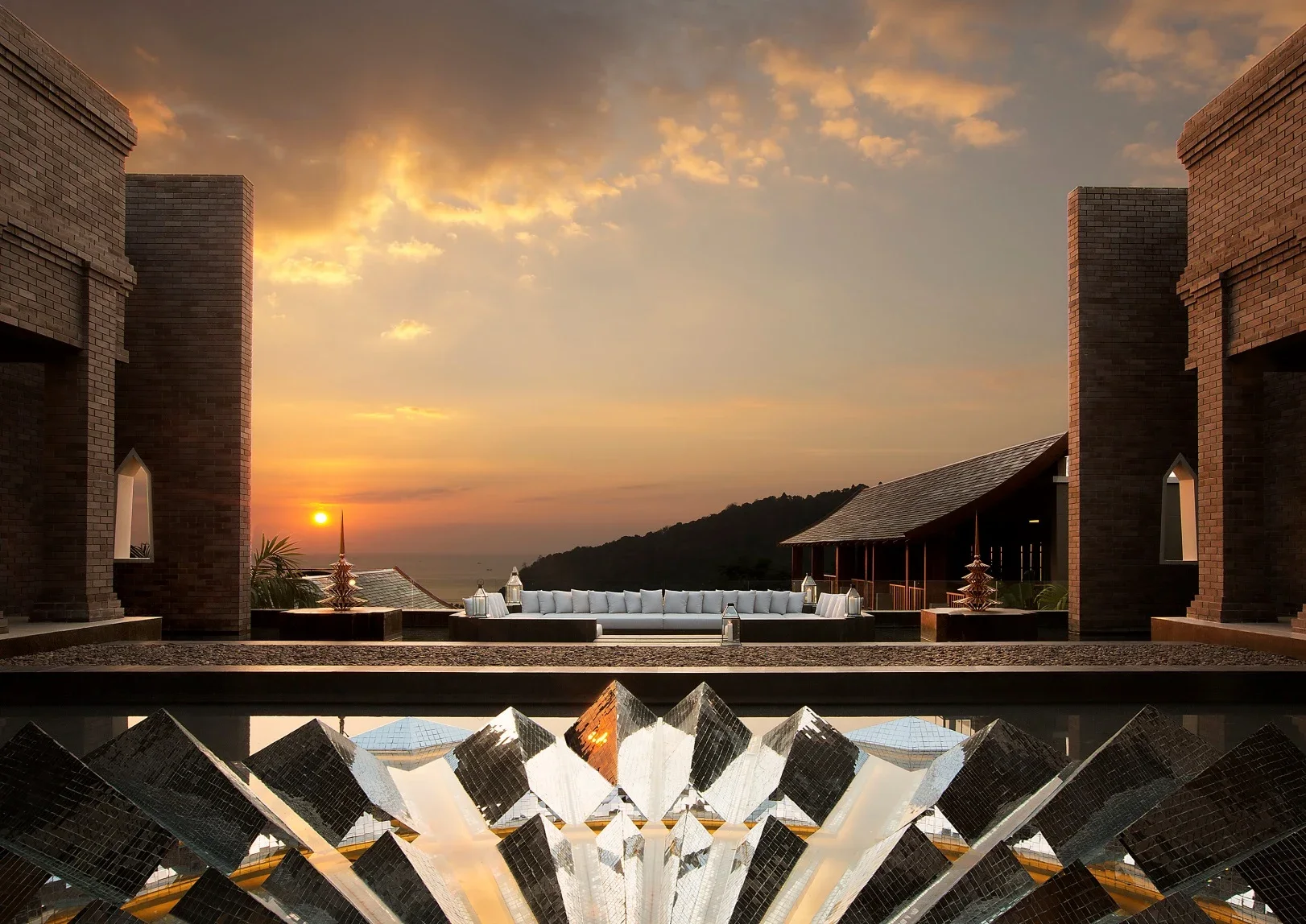
The entrance sets the emotional tone. Dramatic lighting, sculptural elements, or signature materials often create the first memorable moment.
Circulation and Layout
Clear pathways allow guests and service teams to move effortlessly.
Layered Dining Zones
In Bangkok, restaurants often incorporate multiple atmospheres within one venue:
-
Chef’s counter experiences
-
Communal dining tables
-
Private dining rooms
-
Rooftop or terrace seating
Multi-level dining environments are increasingly popular, offering distinct moods on different floors.
Lighting: The Soul of Restaurant Atmosphere
Lighting is arguably the most powerful emotional tool in restaurant design.
In Bangkok’s luxury dining spaces, lighting often becomes architectural sculpture.
Layered lighting strategies include:
-
Ambient lighting to define mood
-
Accent lighting highlighting materials and art
-
Table lighting enhancing food presentation
-
Dramatic feature fixtures creating visual identity
Warm lighting encourages longer dwell time, while focused light creates intimacy between diners.
The right lighting transforms a meal into an experience.
Materials, Texture, and Cultural Expression
Materials tell stories.
In Bangkok, successful restaurant interiors frequently combine modern design with local craftsmanship.
Popular materials include:
-
Natural teak or reclaimed wood
-
Handcrafted ceramic tiles
-
Stone or marble surfaces
-
Brass and bronze accents
-
Lush greenery and tropical planting
Sustainability is also increasingly important, with restaurants incorporating eco-friendly materials and energy-efficient lighting systems.
The result is a tactile, layered environment that feels authentic rather than staged.
Designing the “Instagrammable” Moment
In today’s digital culture, diners often choose restaurants as much for the atmosphere as the cuisine.
Photogenic spaces generate organic marketing.
Strategic design features might include:
-
Dramatic staircases
-
Statement bars
-
Artistic murals or installations
-
Sculptural lighting features
-
Iconic photo corners
These elements encourage guests to share their experience online, amplifying the restaurant’s brand presence.
Design becomes both hospitality and marketing.
Furniture and the Psychology of Seating
Seating design directly influences how guests interact with the space.
Comfort, intimacy, and spatial rhythm all depend on furniture choices.
A thoughtful restaurant interior balances:
-
Plush banquettes for comfort
-
Communal tables for social energy
-
Chef’s counters for culinary theatre
-
Private seating for exclusivity
Luxury restaurants often incorporate custom-designed furniture that reflects the restaurant’s identity.
Every seat should feel intentional.
Coordination with Kitchen and Service
Behind every memorable dining experience lies an efficient operational backbone.
Our firm collaborates closely with chefs and service teams to ensure the design supports:
-
Smooth kitchen-to-table service flow
-
Efficient back-of-house operations
-
Acoustic comfort
-
Visual connection between kitchen and dining room
Open kitchens and chef’s counters are particularly popular in Bangkok’s high-end dining scene, allowing guests to witness culinary craftsmanship firsthand.
The Anatomy of Iconic Dining Spaces
What makes a restaurant unforgettable?
Across the world’s most celebrated dining venues, several design elements consistently appear:
-
Strong architectural identity
-
Dramatic lighting features
-
Layered materials and textures
-
Memorable entrance moments
-
Immersive atmosphere
-
Carefully curated seating experiences
When all of these elements align, a restaurant becomes more than a dining venue.
It becomes a cultural landmark.
Designing Restaurants That Endure
The goal of Restaurant Interior Design Bangkok is not simply to create beautiful spaces.
It is to create environments that support:
-
Brand storytelling
-
Operational success
-
Guest engagement
-
Cultural authenticity
In a city where culinary creativity thrives and diners are constantly seeking new experiences, thoughtful design can be the difference between a restaurant that survives and one that becomes legendary.
At our firm, we guide restaurateurs through the entire journey—from concept development to final styling—ensuring that every detail supports the culinary vision and the desired guest experience.
Because the most memorable restaurants are not just places where people eat.
They are places where people feel something.
And those are the spaces that truly become icons.